
Creatures in the Wizarding Home
Fantastic Beasts and Where to Find ThemThis flow traces the intimate, comic, and sometimes hazardous relationship between magical creatures and the households that keep or encounter them.
increasing Bearing strength in each event
 decreasing
Bearing strength in each eventdecreasingA Mother’s Hippogriffs
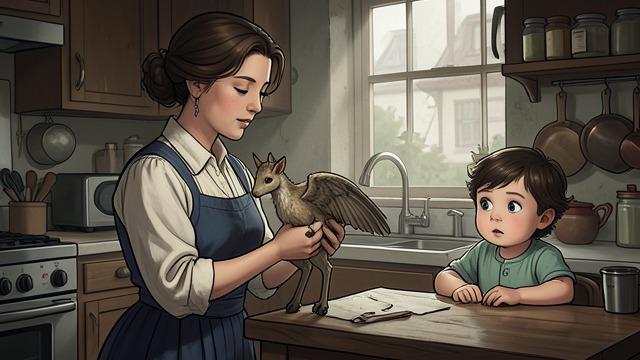
A Mother’s Hippogriffs
An early family influence
Newt Scamander’s mother enthusiastically breeds Hippogriffs. Her interest gives his own fascination with fabulous beasts a close and encouraging example.
The household as a starting place
Before Newt travels across continents, creatures are already part of his family world. His mother’s practice makes animal care visible as sustained work rather than a distant spectacle.
This connection gives his later career an intimate origin. A professional commitment to magical creatures grows from childhood experience shared with a family member.
The Household Puffskein
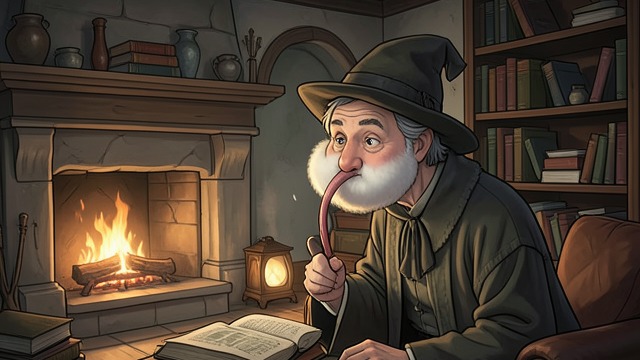
The Household Puffskein
Easy affection
The Puffskein is docile, soft, and tolerant of being cuddled or tossed about. Its low humming when contented helps explain why it remains a popular pet among wizarding children.
A comic intrusion
The creature’s long tongue searches a house for food, including the noses of sleeping wizards. Its habits bring a bodily joke into the otherwise orderly domestic scene.
The Puffskein’s popularity rests on familiarity rather than perfect manners. Its place in the home shows how affection can grow around a creature’s odd, inconvenient behaviour.
A Crup’s Divided Loyalty
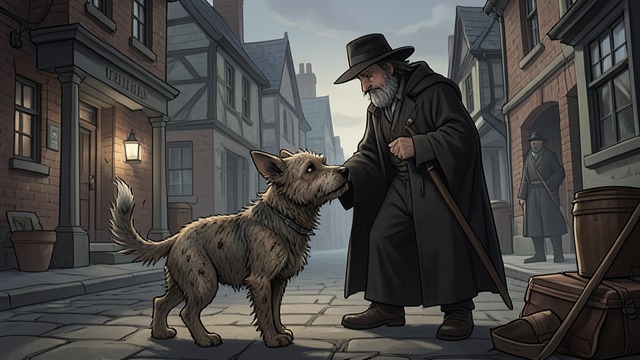
A Crup’s Divided Loyalty
Attachment and aggression
The Crup resembles a Jack Russell terrier but is intensely loyal to wizards and ferocious toward Muggles. Its close resemblance to an ordinary dog makes its divided behaviour especially significant.
Care under a public rule
Owners must prove they can control a Crup in Muggle-inhabited areas and remove its forked tail with a painless charm while it is young. The regulations shape how affection can be practised safely.
The relationship is both intimate and conditional. Loving a creature does not cancel the owner’s duty to neighbours or the community’s need for concealment.
A Kneazle’s Trust
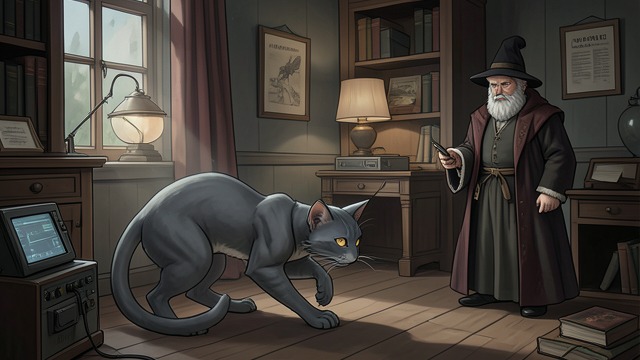
A Kneazle’s Trust
Selective companionship
The Kneazle is intelligent, independent, and occasionally aggressive, but can become an excellent pet when it takes a liking to a witch or wizard. Its affection is not automatic or guaranteed.
A protective companion
A Kneazle can detect suspicious characters and guide its owner home if they are lost. The relationship brings practical protection together with companionship.
This bond depends on mutual fit rather than ownership alone. The animal’s independence remains part of what makes its loyalty valuable.
Newt’s Retired Household
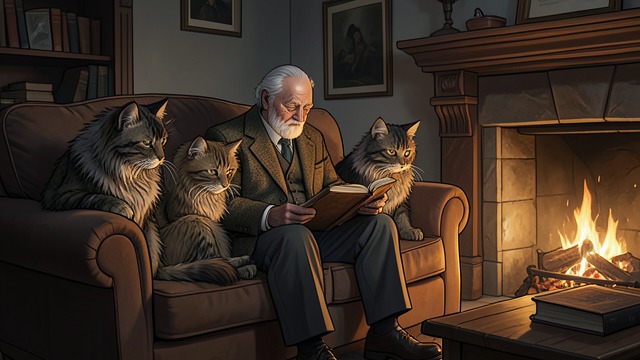
Newt’s Retired Household
A life after fieldwork
In retirement, Newt lives in Dorset with Porpentina. The home marks a change from distant habitats and Ministry work to a settled domestic life.
Creatures remain close
His Kneazles, Hoppy, Milly, and Mauler share the household. Newt’s companionship with them continues the connection to animals that began in childhood.
The quiet ending does not separate vocation from private life. Even after retirement, magical creatures remain part of the everyday world Newt calls home.
during Newt’s childhood
when wizarding pets are discussed
when Crup ownership rules are described
when Kneazles are described as pets
after Newt’s retirement
